

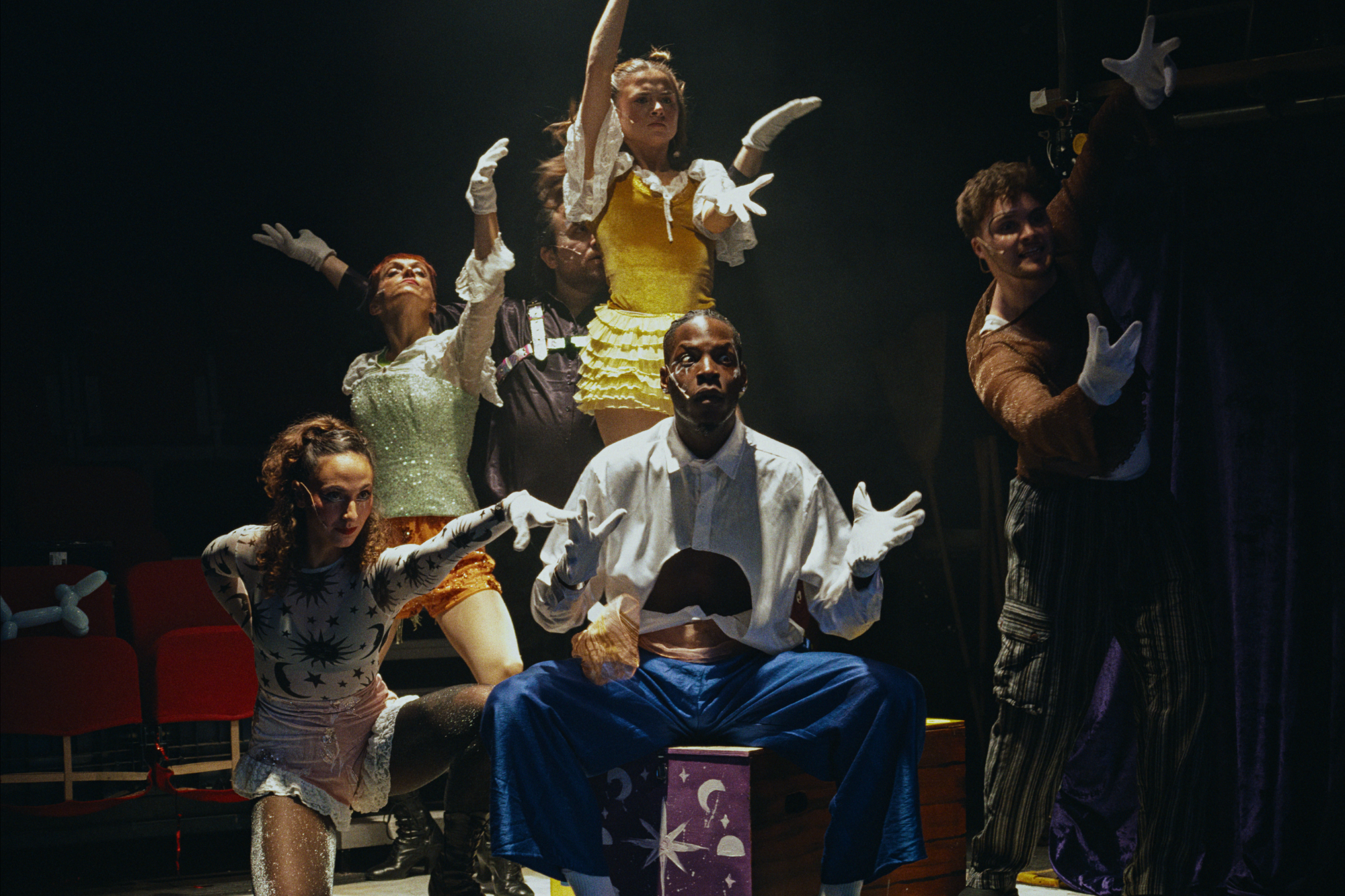
The mixed fortunes of musical theatre writers have rarely been thrown into sharper relief than in the case of Stephen Schwartz over the past couple of months. While the second instalment of the film version of his blockbuster Wicked opened worldwide to great fanfare (with the original stage production continuing its lengthy runs on both sides of the Atlantic), his newest endeavour – The Queen of Versailles – is closing on Broadway after only a few weeks. It is therefore a particularly interesting moment to revisit his 1972 musical, a new production of which has just arrived at Upstairs at the Gatehouse, a small venue above a pub in Highgate, North London.
Pippin seems to resurface in London with remarkable regularity. Fringe productions have been plentiful, and last year saw two concert performances at Theatre Royal Drury Lane, now available for streaming. Like other filmed concerts of musicals – most notably Chess at the Royal Albert Hall – that version showed signs of having been assembled quickly rather than carefully directed, yet it boasted a starry cast whose central performances were often knockout. In the case of Pippin, a separate staging based on the original Broadway production and starring the legendary Ben Vereen was also filmed and remains widely accessible. Any new staging, particularly in a venue not known for supreme comfort, must therefore justify itself against these readily available versions. On that front, this iteration only partially succeeds.
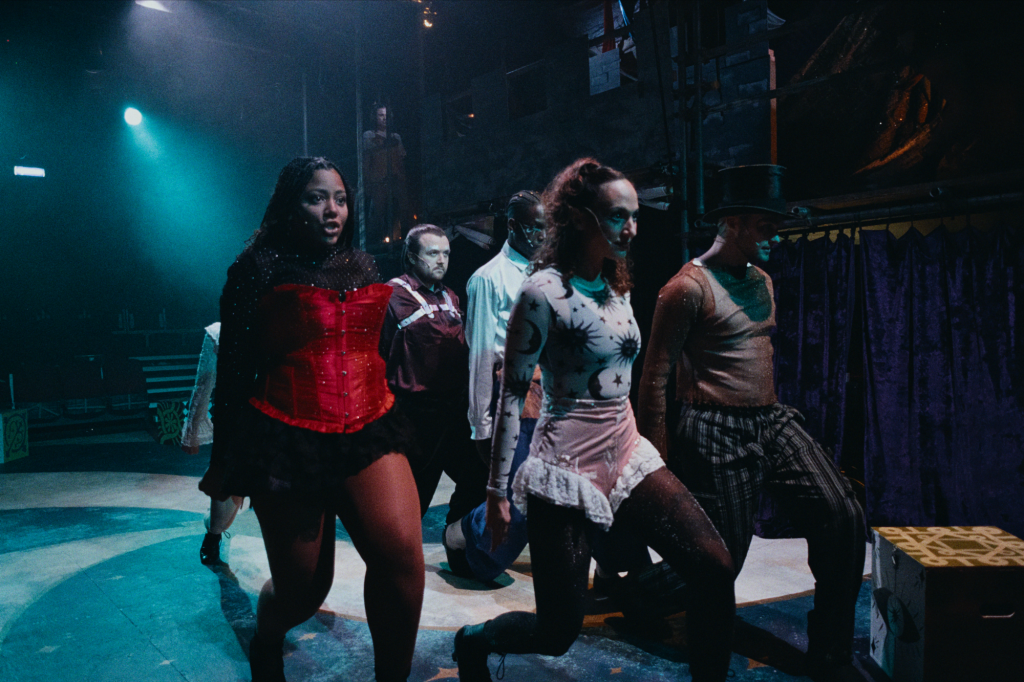
Pippin tells the story of a young prince, son of Charlemagne, who sets out in search of meaning and fulfilment in his life. Guided – and manipulated – by a troupe of players led by the enigmatic Leading Player, he tries his hand at war, politics, love, and simple domesticity, only to find each path unsatisfying. The show’s framing device blurs the line between performance and reality, with the players constantly shaping and reshaping Pippin’s journey, culminating in a finale that questions both theatrical illusion and the nature of happiness itself.
What this production does offer is the chance to enjoy Schwartz’s stellar score – full of memorable melodies and witty lyrics – at close quarters. There are strong vocal performances, most notably Lewis Edgar as the eponymous character, who brings endearing conviction to his material. One or two striking effects also impress, including a levitating and disappearing corpse towards the end of the first half – no small feat given the limitations of the space.
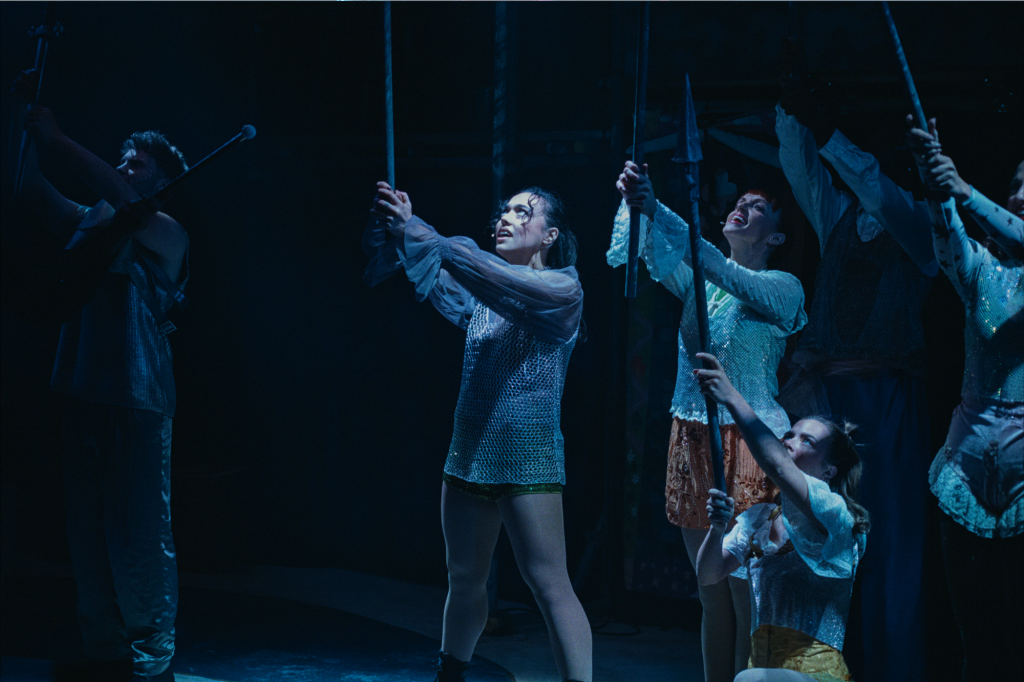
Yet the production never fully commits to the circus setting it borrows from the most recent Broadway revival. Certain departures from the original misfire in both concept and execution, such as introducing Pippin as a member of the audience rather than one of the troupe. This choice not only strains narrative logic but also demands a considerable suspension of disbelief. The quality of acting is uneven: moments of West End-standard singing are undercut by line delivery that recalls amateur dramatics, and a child performer at one point appeared genuinely uncertain and uncomfortable. These issues were compounded by sound design pitched too loudly for such an intimate venue, microphone problems during the first part of the performance, and occasional scenes that seemed inadequately lit. The Gatehouse’s thrust stage also created moments of alienation when the action was played in only one direction.
This production does not reach the heights of its predecessors, but for musical theatre enthusiasts eager to experience the show live – or Wicked devotees curious to explore Schwartz’s earlier work – it offers much to enjoy. Considerable time and talent have gone into the staging, and despite its shortcomings it provides occasional flashes of theatrical magic.