

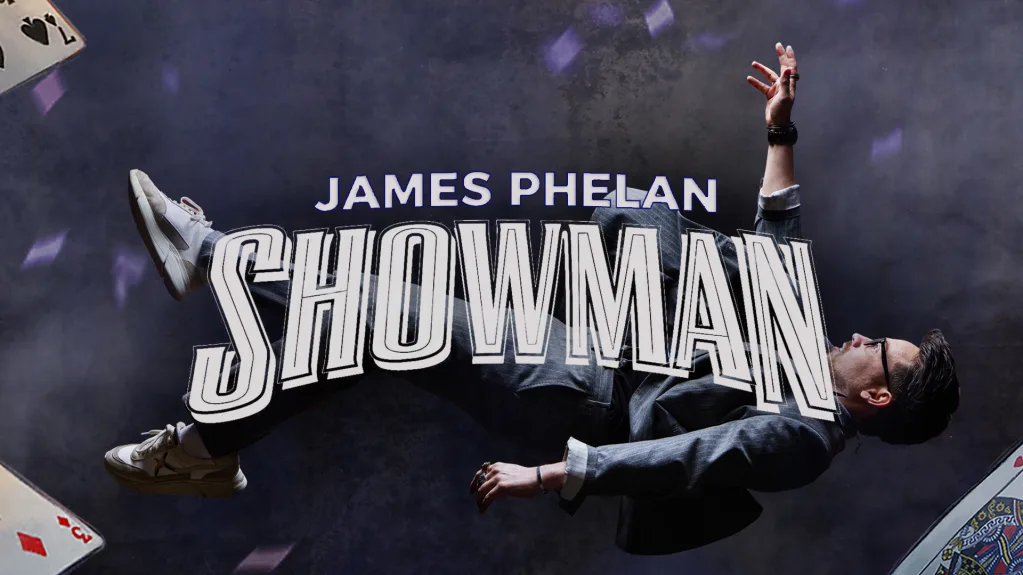
This is a review of the matinee performance on Saturday, 27 June 2026. Other performances may be better.
James Phelan: Showman promises a night in which the impossible becomes possible. At Underbelly Boulevard Soho, it instead demonstrates that an illusion can vanish before it reaches its final reveal.
Phelan arrives at Underbelly Boulevard Soho garlanded with five-star quotes and a real pedigree, a Magic Circle sell-out who once jammed the BBC switchboard by predicting the lottery. He pitches Showman as part magic, part mentalism and part confession, a show that sets out to argue we are all performing and that those who believe in magic will find it. He dresses the room beautifully for the case. Old jazz standards drift over slowed black-and-white footage of vintage television entertainers, and for a few minutes you would swear you had wandered into a warmer, more innocent age of variety.
The opening was weak. Three audience members choose cards, Phelan chats and circles, and then he names the cards. The trouble is that the effect feels less like a mystery than a brief argument for the importance of personal space. He places himself so insistently close to the volunteers that the answer is, shall we say, rather too clearly marked. Dress it up in chatter about probability and influence, and it is still entry-level material being asked to carry the swagger of a headline act. In fact, at one point he commented on the lacklustre applause from the audience; lacklustre being a word that may just as well describe much of his act.
That may sound harsh, because there is one sequence here that works really well. The central hypnosis and mind-reading routine is excellent. Phelan fixes volunteers’ feet to the spot, muddles their thoughts, and then appears to divine private details from strangers elsewhere in the room through the people on stage. Here he slows down, takes control of the rhythm and lets the silences do their job. When a participant produces a secret held by someone in the audience, the room suddenly becomes very still indeed. This is the show’s best section by a distance: unnerving, expertly paced and genuinely impressive.
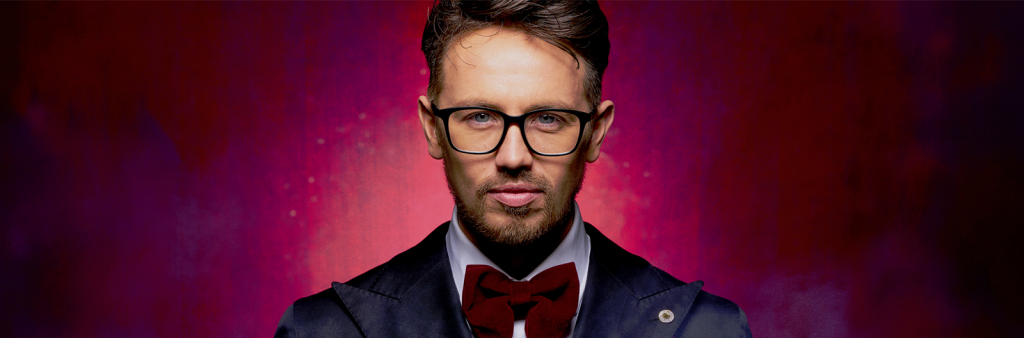
It also makes the rest more frustrating. Phelan plainly has the ability to create an atmosphere and to make an audience lean forward. What he lacks is the judgement to distinguish an intriguing warm-up from material that ought to be retired to a children’s party, and the discipline to ensure that his climaxes actually climax. A magic show can survive a duff joke. It can survive a volunteer who freezes. It can even survive a dropped prop. It struggles to survive both of its biggest effects failing in front of the audience, as happened at this performance.
The first problematic routine involves a volunteer’s wedding ring. The ring vanishes, and is meant to reappear around the stem of a wineglass. Instead it reappears in Phelan’s hand, which he candidly acknowledged in his closing remarks was not the intended destination. He deserves credit for owning the mishap, but a vanish is only as good as where the object returns. A wedding ring appearing in a magician’s hand is not a grand romantic payoff. It is merely the ring no longer being missing.
The final illusion is worse, in fact unforgiveable. Phelan has a volunteer pick a celebrity’s name out a glass jar, then slowly paints something unrecognisable onto a large black card. At first it looks like nothing much: a blotchy, unrecognisable arrangement of paint. That is not inherently a problem. The whole point of this kind of illusion is that a later reveal transforms what seemed meaningless into something precise, astonishing and impossible. Indeed, Derren Brown has performed this precise illusion to devastating effect, and its whole power lives in the second, delayed reveal when the meaningless smear of paint resolves, suddenly, into the chosen face. Phelan manages the first half. He produces a board of unrecognisable daubs, sets it on an easel – and then, astonishingly, never returns to it. The reveal just did not happen. The unrecognisable painting sits there for the rest of the show, an accusing blur, and when the bows came I kept waiting for him to walk back on and finish the job with the grand reveal. He never did. I think he just forgot.
Live performance is unpredictable, and most audiences will forgive a failure where a performer responds with ingenuity, charm or a properly prepared alternative route. Phelan has none of those available here. The ring routine lands with a shrug; the celebrity prediction is left unfinished; and the audience is asked to applaud the memory of an ending it never got.
There is a decent shorter show somewhere inside James Phelan: Showman. The hypnosis material could anchor a smart, unsettling hour of mentalism. The card work needs upgrading, the storytelling needs trimming, and the final effects need to be tested until they survive actual human beings watching them.
Phelan, he tells us, is the nephew of Paul Daniels. That was possibly the most interesting revelation of the show: birthright may hand down credibility, but it does not appear to pass advanced stagecraft through the DNA.